

 Карина Евтушенко
Okay, so check this out—my heart sank once last year. Whoa!
I clicked confirm on a swap that looked fine at first glance. Seriously?
Gas spiked. The contract call did something funky. My instinct said «stop», but I hit send anyway. Hmm… that part still bugs me.
At first I thought I just got unlucky, but then I realized the problem was predictable. The UI hid a subtle approval that allowed a malicious router to siphon tokens later, not immediately. Initially I thought the wallet UI was the only thing to blame, but actually, wait—let me rephrase that: the problem was the interaction model between me and the smart contract, and the absence of a proper simulation step.
Here’s the thing. DeFi is fast. Transactions are cheap to set up and expensive to reverse. Shortcuts feel fine until they don’t. My gut told me to build in a pause. So I started looking for a wallet that forced me to slow down without being clumsy. I wanted something like a safety net that also felt like a power tool.
Transaction simulation changed the game. It’s not glamorous. But it lets you preview what a contract call will actually do before you sign. You can see internal calls, token transfers, and revert reasons. That’s the part that turned me from reactive into proactive. On one hand simulation gives you confidence. On the other hand it’s not foolproof though actually it’s far better than guessing based on UI alone.
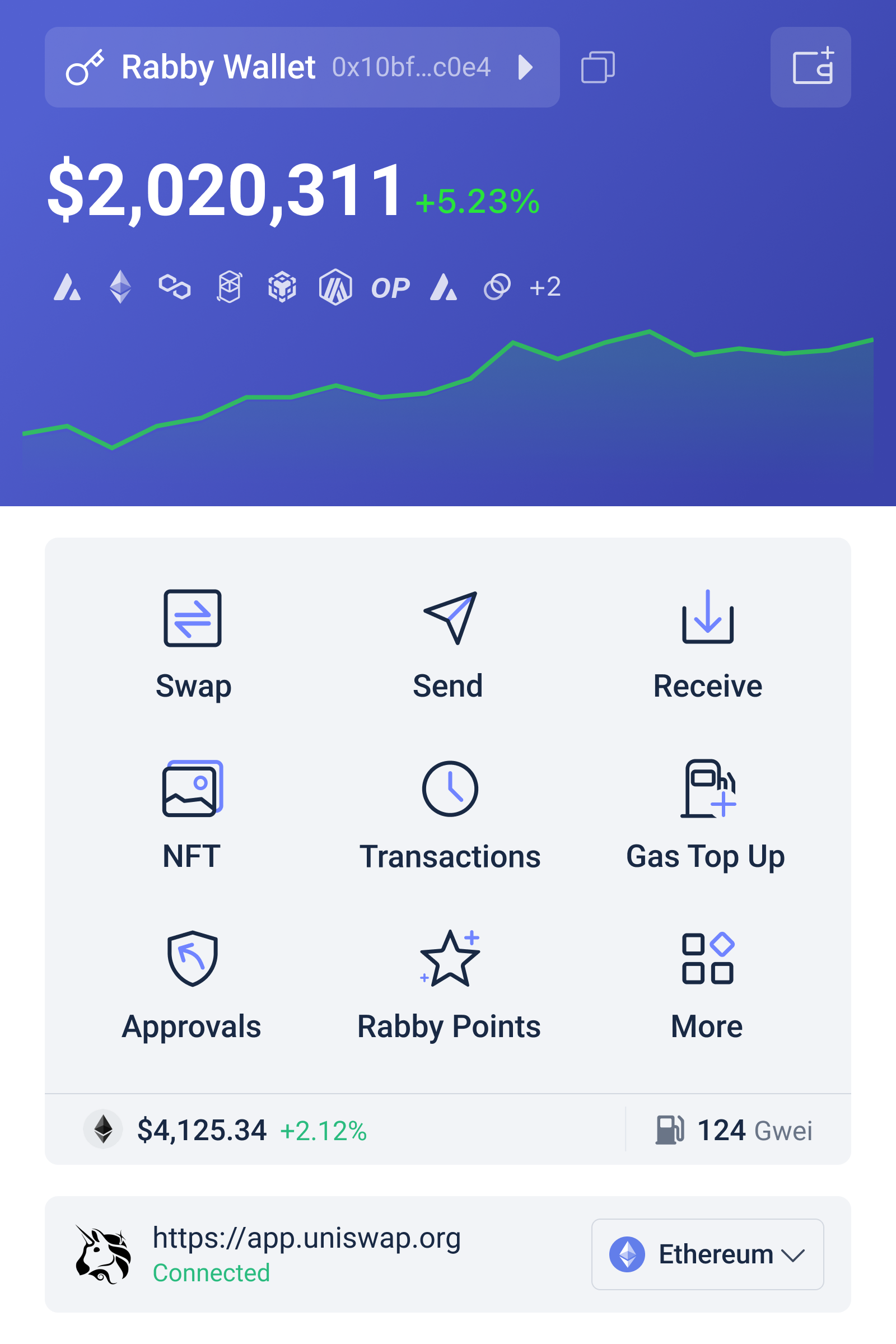
How smart contract interaction should feel
Fast thought: wallets are the middlemen between you and opaque contracts. Slow thought: that middleman should translate and annotate, showing you the likely state changes so you can make a reasoned decision. My experience with different wallets taught me that this translation varies hugely. Some are terse and hide details. Some overshare and overwhelm. I prefer the middle path—concise, accurate, and actionable.
When I first tried rabby wallet, somethin’ interesting happened. I saw the exact token flows before signing. Wow. It showed me internal approvals and interestingly flagged suspicious router patterns that would have cost me. Initially that felt like magic. Then I dug in and realized it’s just better tooling and better defaults—no magic, just engineering and risk-aware UX. On the surface it’s a UX upgrade. Deeper down it’s a risk-reduction framework.
Security features matter a lot. Approvals are a recurring problem in our space. Approving infinite allowances is… common. Too common. rabby wallet surfaces approval requests and gives you tight controls, so you don’t accidentally grant blanket permission to a contract you barely trust. I’ll be honest: that saved me from a very awkward cleanup once. I had to revoke an approval on a chain that I hadn’t touched in months. It took minutes instead of the hours I feared.
Another thing that bugs me: gas estimation lies sometimes. It’s messy. A wallet that simulates the transaction will give you a more realistic gas range by actually invoking the call in a read-only context. This matters because setting gas too low means revert and lost fee. Setting it too high is wasteful. The right compromise—dynamic, informed, not hand-wavy—makes trades feel less like gambling.
There are trade-offs, obviously. Simulation depends on RPC providers and forked-chain accuracy. It’s not a silver bullet. Initially I trusted every simulation output, but I later learned to cross-check and be cautious on low-liquidity pairs. On the other hand, most common attacks and accidental drains were detectable in advance. So yeah, it reduced my surface area for common mistakes.
Practical workflows that helped me
Use read-only simulation before approving. Short sentence. Use it after you set slippage. Then check the internal calls. If you see an unexpected approval to a new contract, pause—really pause. My rule now is simple: if the simulation shows token movement I don’t expect, I don’t sign it. No exceptions. That might sound rigid, but it’s saved me real money very very quickly.
Okay, so check this out—risky apps sometimes try to bundle extra calls in a single transaction. The UI may only show the swap, but the transaction does five things. Simulation lays them all out. You can then choose to interact differently—split operations, use a trusted router, or avoid the app entirely. This is small user power, but it aggregates into much safer behavior over time.
One practical tip: keep an eye on «approve» flows. Set allowances to the smallest needed. Short sentence. If a DEX wants infinite approval, question it. Also, when moving between chains or wallets, double-check nonce and replay protections. Those details feel dry, but they keep your assets intact.
Why UX matters for security
User friction isn’t always bad. Some friction is protective. Imagine an interface that forces you to read a single-line plain-English summary of what the smart contract will do—then asks for a second confirmation. Sounds naggy, but after a few near-misses you’ll appreciate the pause. Rabby wallet balances that pause with speed, so you don’t feel slowed, but you think longer. My instinct said «this is right» the first time I saw it.
Let me be clear: I’m biased toward tools that educate while they protect. I’m not a fan of paternalistic wallets that hide everything either. The best tools make you smarter, not dependent. They annotate hashes, show contract source when available, and flag odd behaviors. That teaches pattern recognition. Over time, you start seeing the red flags faster. You build better instincts.
There’s also the ecosystem aspect. When more people use simulation and cautious approvals, exploit vectors shrink. Front-running and sandwich attacks may still happen, but the overall market becomes a bit more resilient. That’s an upside most folks don’t account for, but it’s real. Kind of feels like tightening a bolt on a community machine.
One small confession: I’m not 100% sure about long-term privacy trade-offs of some simulation providers. Some patterns might leak intent if you simulate publicly. So I try to use privacy-respecting RPCs and sometimes fork locally. It’s a pain, sure, but the extra peace of mind matters when you’re moving decent sized positions.
Give it a try
If you want to see the approach that balances safety and usability in action, consider checking out rabby wallet. It’s not perfect. No wallet is. But it nudged me into smarter habits and turned a few near-misses into non-events. Try it on a small swap first. Test approvals. See how the simulation reads. You’ll learn quickly.
FAQ
Does simulation cost gas?
No. Simulation runs read-only calls or uses a forked state to estimate effects, so you don’t pay gas for the preview. However, accurate simulation may depend on consistent block state and reliable RPCs, so results can vary slightly.
Can simulation detect honeypots and scams?
It can catch many patterns like hidden approvals, extra token transfers, or calls to suspicious contracts, but it’s not a foolproof scam detector. Use simulation as one layer in a multi-layer defense: on-chain checks, reputation, audits, and common sense all matter.
Is this workflow slow?
At first it feels slower. Then you realize it prevents long, stressful cleanups. You’re trading a minute up front for far fewer headaches later. Worth it, in my book.



 АВК
АВК


Комменты Facebook
Disqus (0)