

 Карина Евтушенко
Whoa! This hits different when you actually hold a hardware wallet. My first impression was simple: keep the seed safe and you’re done. Really? Not even close. Hmm… there’s a lot more to the story, and some of it surprised me.
I remember the day I set up my first Ledger. Quick setup, felt secure, proud. Then I left the seed on a note stuck to my desk. Stupid move. My instinct said «don’t do that,» but I did it anyway. Initially I thought a laminated paper copy in my drawer would be fine, but then reality snuck in. Theft, fire, curious roommates—there are a hundred ways humans make mistakes.
Here’s the thing. A seed phrase is not a password. It’s more like a nuclear key. Very very important. Lose it and you often lose access forever. Expose it and someone else can empty your vault. So the question becomes: how do you back up a seed phrase so it’s both durable and private, while still being usable when needed?
Start with fundamentals. Short term: never store your seed on an internet-exposed device. Medium: use a hardware wallet like Ledger to keep private keys offline. Long-term: think about survivability through physical damage and people. I’ll walk through practical approaches that I’ve used, tested by friends, and learned from in the field. Some of this is messy, and I’m biased toward redundancy.
Why single backups fail
Most people misunderstand failure modes. They think a single safe is enough. On one hand, that seems secure. Though actually, safes get broken into. On the other hand, redundancy creates attack surface—more copies, more risk. So you balance durability and secrecy.
Common mistakes: digital photos, cloud storage, and leaving the phrase in obvious places. Those are fast failures. And yes, a USB drive with your seed phrase is basically inviting trouble. My rule of thumb: if a lawyer could subpoena it with a sentence, it’s too exposed.
Another failure mode is human memory. People assume they’ll remember a passphrase or recovery steps, but stress and time ruin memory. So make the method foolproof for your heirs, but cryptic enough for strangers.
Practical backup patterns I trust
Okay, so check this out—there are several patterns that work in practice. None are perfect. Pick two. That’s important.
1) Metal backups: these survive fire, water, and time. They’re slow to set up but durable. Use a stamped or engraved metal plate designed for seed wording. Don’t improvise with a rivet set and cheap steel—do it right. And if you use a metal plate, store it in a secure, separate location from your hardware wallet.
2) Shamir / split backups: splitting your seed into multiple shares is elegant. It reduces single-point-of-failure risk and allows geographically distributed storage. However, splitting increases operational complexity. Initially I thought «more shares, more safe,» but then I realized recovery logistics can be a nightmare if people move or die.
3) Redundancy across threat models: one copy in a home safe, one copy in a bank safe deposit, and one share with a trusted person. This is practical for many people. But be careful—banks have policies, and access rules vary by jurisdiction. I’m not a lawyer, so check local rules.
4) Multi-location mnemonic + password: combine your seed phrase with a passphrase (the 25th word). That way a leaked seed alone is useless without your additional word. This is powerful. It also complicates recovery. Make sure whoever needs to recover knows the passphrase process.
DeFi integration and hardware wallets
DeFi is where things get interesting. You want the convenience of interacting with smart contracts, but you also want the cold-storage security of Ledger devices. On one hand, using a hardware wallet for on-chain transactions reduces exposure. On the other hand, frequent interactions can increase the chance of user error.
Use a dedicated device for DeFi if you can. Seriously? Yes. Have one Ledger for daily DeFi interactions and another for deep cold storage. That separation reduces risk and makes audits simpler. I’m biased toward this approach because it maps human habits to risk boundaries.
When connecting to dApps, always verify contract details on the Ledger screen. Don’t blindly approve large allowances. My instinct said «quick approve,» and that almost cost me. Actually, wait—let me rephrase that: don’t rush approvals. Verify the address, the amount, and the exact function being called. Ledger will show a lot, but it won’t explain intent for you.
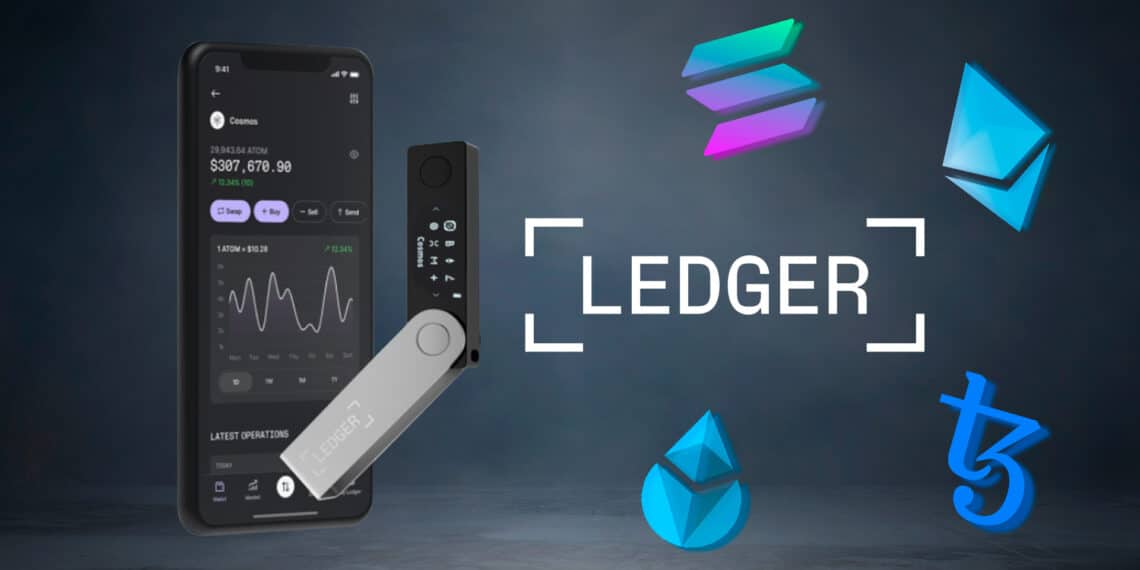
If you use software wallets or browser extensions with Ledger, pair them through official channels. For example, the Ledger ecosystem leans on Ledger Live for device management and pairing. If you prefer an external dApp flow, use reputable bridges and verify everything on-device. Also, consider using privacy techniques like account segmentation to limit exposure per address.
For a smoother flow, install ledger live to manage firmware, apps, and accounts. It’s a solid hub and helps keep firmware current. Keep firmware up to date, but update thoughtfully—only from official sources.
Recovery planning — the human part
I can’t stress this enough: plan for people. If you die, get incapacitated, or go missing, your crypto shouldn’t vanish because you were the only one who knew how. Draft clear but simple instructions and store them with legal counsel or an estate planner who understands digital assets.
Make a recovery kit: one metal backup, one bank deposit, and a written note with recovery steps (not the seed itself). Train your heir or executor. Test the process with a small test wallet and a dry run. This is tedious, but so is losing everything.
Also, check the law. The U.S. treats custodial and non-custodial assets differently in estate contexts. You might need additional legal steps, and I’m not your attorney—so get one if your holdings are significant.
Common questions
Can I store a seed phrase digitally?
Short answer: avoid it. Longer answer: encrypting and storing offline on an air-gapped device can work for advanced users, but it’s complex and high-risk. For most people, physical metal backups plus split-storage strategies are safer.
Is a passphrase necessary?
A passphrase adds a strong layer of security. It turns one seed into many possible wallets. The trade-off is operational complexity. If you use a passphrase, document the method carefully for recovery, without writing the actual passphrase where it could be found.
What about using multiple Ledgers?
Good idea for serious users. Having a «hot» Ledger for daily use and a «cold» Ledger for long-term holdings splits risk. Just keep copies of your recovery material consistent and ensure your recovery plan covers both devices.
Okay, final thought—this part bugs me: people chase novelty and forget basics. A seed phrase strategy is not glamorous. It’s dull. But durable. Do the boring stuff well. Protect the seed. Test recovery. Make a plan that survives human error and time. You’ll thank yourself later… or at least you won’t regret it.


 Єгор Струль


Комменты Facebook
Disqus (0)